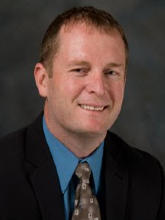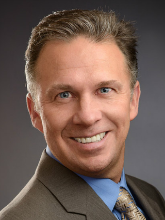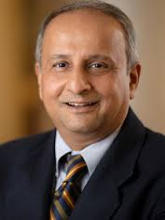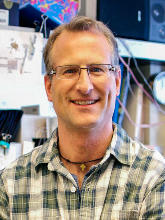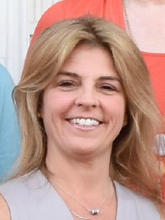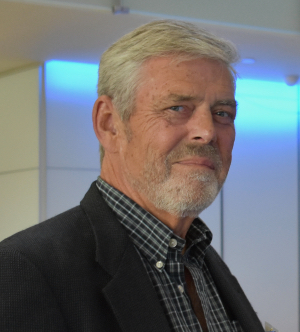
Matthew Mescher, PhD became an emeritus professor at the University of Minnesota (UMN) Medical School in 2015 where he had been a faculty member for 22 years. He held an endowed professorship in the Department of Laboratory Medicine and Pathology and was the founding director of the UMN Center for Immunology. Matthew F. Mescher, an icon of immunology at the University of Minnesota, died on December 21, 2021, after a battle with cancer. See more info here
Graduate Students and Post Doctoral Fellows in the lab worked on research that focused on cell surface receptor interactions and signaling pathways involved in activation of CTLs. Immunologists have found that the antigen recognized by the T cell receptor consists of a peptide bound to major histocompatibility complex protein on the surface of the target cell. This recognition initiates a cascade of adhesion and transmembrane signaling events involving several different receptors on the CTL binding to cell surface ligands on the target cells. Mescher and his colleagues used novel methods for producing artificial lipid membrane constructs from purified membrane proteins to sort out these complex signaling events. Molecules known to be involved in CTL binding and signal transduction, such as ligands for CD8 proteins and integrins, can be selectively introduced into these membranes and their specific role in CTL binding, response, and membrane-cytoskeletal interactions can be studied. Mescher's work on the molecular basis of T cell activation has important implications for the development of novel therapeutic approaches for activating tumor and virus-specific CTL responses. Artificial membranes made in his laboratory for in vitro studies of T cell activation augment CTL response in mice in an antigen-specific manner. The researchers also worked on determining how antigen-bound artificial membranes, particularly membrane-coated latex microspheres, mediate CTL enhancement and produce therapeutic effects. These findings would allow for further exploration of the potential for this approach to immunization and disease therapy.
View publications here.
Mescher Reunion/Retirement Celebration, Autumn Immunology Retreat 2015